
Roof debris can collect after windy weather, autumn leaf fall, heavy snow, or nearby tree maintenance. Leaves, twigs, pine needles, moss, and small branches may seem harmless, but they can hold moisture, block drainage, scratch roofing materials, and hide damaged areas.
For Marion, NY homeowners, routine debris removal is especially useful during the fall and early winter transition. Wet leaves can remain on a roof through freezing temperatures, while snow and ice may make later inspection more difficult. The safest approach depends on the type of roof, the amount of debris, the roof’s pitch, and the weather conditions.
What counts as roof debris?
Roof debris includes any loose material that does not belong on the roof surface or inside the drainage system. Common examples include:
- Leaves and pine needles
- Small sticks and branches
- Seed pods, blossoms, and loose bark
- Windblown paper or plastic
- Granules from deteriorating shingles
- Moss, algae, or accumulated organic matter
- Ice chunks or packed snow
- Debris trapped behind chimneys, vents, or roof valleys
Not every dark patch is debris. Some areas may be staining, moss growth, exposed underlayment, or damaged shingles. Removing material aggressively can make the underlying problem worse.
Why should roof debris be removed?
Debris can interfere with water flow and create conditions that shorten the life of roofing materials. Leaves are particularly troublesome because they become heavy when wet and may form a compact layer that holds moisture against shingles.
Problems linked to accumulated debris can include:
- Clogged gutters and downspouts
- Water backing up in roof valleys
- Damp or deteriorating shingles
- Hidden cracked, lifted, or missing roofing materials
- Moss growth in shaded, persistently damp areas
- Ice buildup around blocked drainage paths
- Increased weight on weak sections of the roof
A small amount of dry leaves is not automatically an emergency. The concern increases when debris is thick, wet, trapped in a valley, packed around a drain, or covering a damaged area.
Is it safe to remove debris from the roof yourself?
It may be reasonable to remove a small amount of loose debris from the ground or from a low, gently sloped roof using an extension tool. Climbing onto a roof is more hazardous than it often appears, especially when the surface is damp, frosty, steep, brittle, or covered with moss.
Do not climb onto the roof when:
- Shingles, metal panels, or the roof deck appear damaged
- The surface is wet, icy, frosty, or snow-covered
- Wind makes ladder use or tool handling unstable
- The roof is steep or has multiple levels
- Power lines are near the work area
- You cannot maintain three points of contact
- You are not comfortable using fall-protection equipment correctly
A ladder can provide access to gutters, but it does not make roof walking safe. Shoes may not grip roofing surfaces reliably, and stepping in the wrong location can break shingles or dislodge protective granules.
How can loose debris be removed from the ground?
For light debris, the safest method is often to work from the ground. A roof rake, soft-bristled extension brush, or purpose-built leaf-removal tool can help reach lower roof sections without placing a person on the roof.
Use the tool gently and pull debris downward rather than forcing it across the roofing surface. Avoid sharp garden rakes, metal poles, and scraping motions. These can tear shingle surfaces, damage flashing, loosen sealant, or scratch metal roofing.
Work in small sections and keep people, pets, vehicles, and fragile plants away from the area below. Falling sticks and wet clumps of leaves can be heavier than expected. Do not stand directly beneath the section being cleared.
How should gutters and valleys be cleared?
Roof valleys and gutters are common collection points. If leaves are blocking a valley, remove only the loose material that can be reached safely from the ground or from a properly positioned ladder. Never lean sideways from a ladder to reach a distant area.
For gutter work:
- Place the ladder on firm, level ground.
- Keep the ladder away from overhead electrical lines.
- Use a stabilizer or another appropriate safety device when needed.
- Keep both hands available as much as possible.
- Avoid placing weight on gutters, downspouts, or decorative trim.
- Use gloves when handling wet leaves, sharp twigs, or hidden metal.
After removing visible debris, check whether water can move through the downspout. A clogged downspout may cause water to overflow against siding, fascia, windows, or the foundation. Flushing from the top is not appropriate if the downspout is disconnected, damaged, or likely to direct water toward the building.
What should never be used to clean roof debris?
A pressure washer should not be used on asphalt shingles, wood roofing, or many older roofing systems. High-pressure water can remove protective granules, force water beneath roofing materials, and damage flashing or sealants.
Avoid using:
- Pressure washers
- Wire brushes
- Metal shovels
- Harsh scraping tools
- Bleach mixtures that may damage plants or runoff surfaces
- Leaf blowers from an unstable ladder or roof position
A leaf blower can move dry debris, but it may also lift shingles, scatter material into gutters, or send debris toward people and neighboring property. If used, it should be operated from a secure location and only in calm conditions.
How should snow and ice be handled?
Snow and ice require extra caution. Removing snow from a roof can reduce weight in some circumstances, but improper methods can damage roofing and create a serious falling-object hazard.
Do not chip at ice with an axe, shovel, or other hard tool. Breaking ice can puncture roofing materials and harm gutters. Do not pull down large ice formations while standing beneath them.
Roof snow removal becomes more complicated when there are multiple layers of snow, ice dams, sagging roof areas, leaking ceilings, or unusually heavy accumulation. These conditions may require specialized equipment and safety procedures rather than a simple household cleanup.
What should be checked after debris removal?
Once loose material has been cleared, inspect the roof from the ground with binoculars if possible. Look for:
- Missing, cracked, curled, or lifted shingles
- Exposed dark underlayment
- Bent or loose flashing
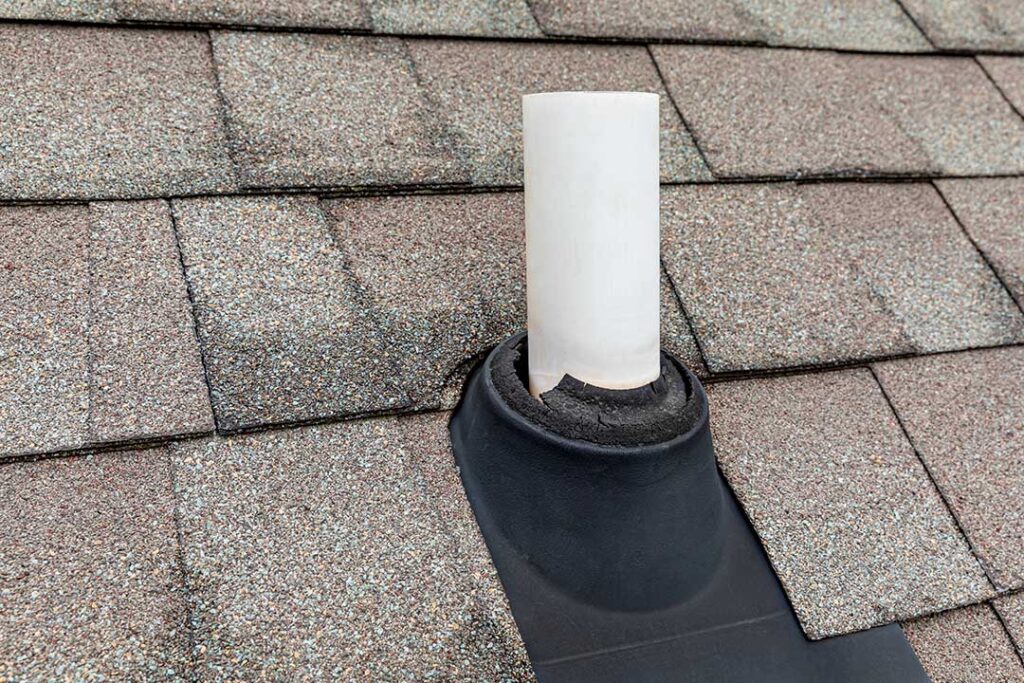
- Damaged vents or pipe collars
- Sagging areas
- Granules collecting heavily in gutters
- Water stains on ceilings or upper walls
- Debris that repeatedly returns to the same location
Recurring debris may point to an overhanging branch, a roof valley that concentrates runoff, poor gutter drainage, or a low-slope section that does not shed material easily. It is more useful to correct the source than to repeatedly remove the same buildup.
When is outside help necessary?
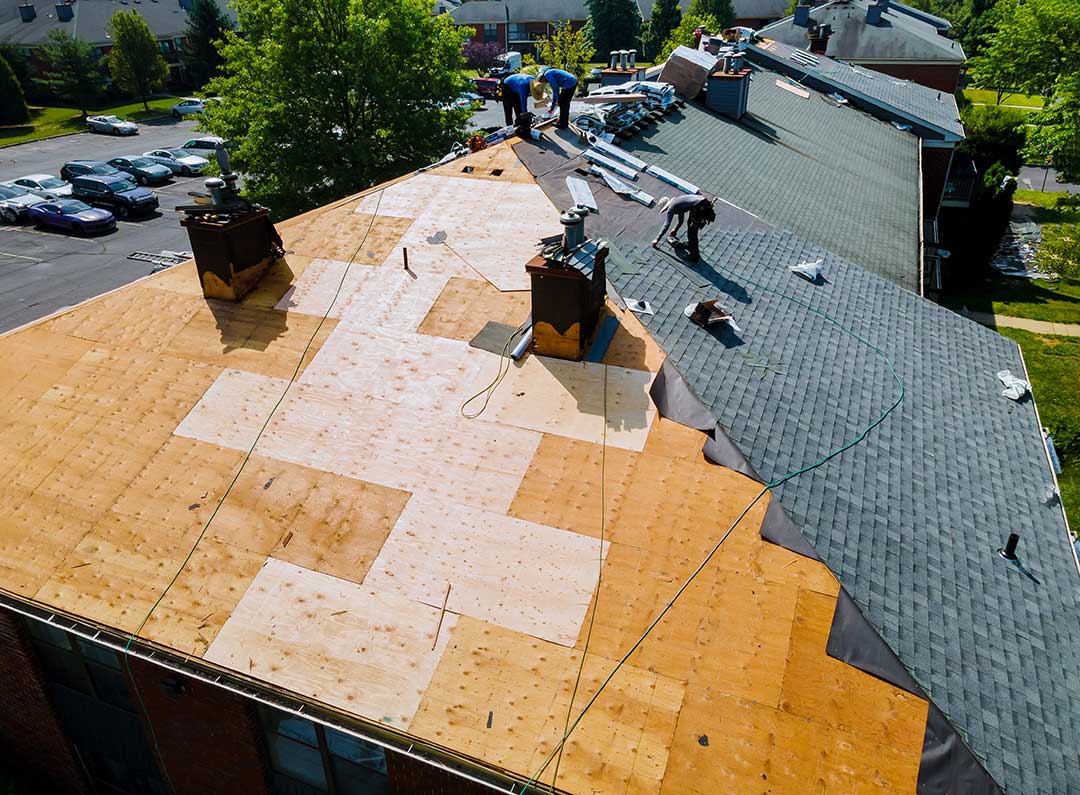
Professional assistance is warranted when the roof is steep, high, damaged, icy, or difficult to access safely. It is also appropriate when debris is mixed with broken roofing materials, when a tree limb has struck the structure, or when water is entering the home.
Safety is the main deciding factor. A roof cleanup is not a suitable do-it-yourself task if completing it requires walking on an unstable surface, working near electrical hazards, handling heavy branches, or using equipment beyond the operator’s experience.
Regular ground-level checks after strong wind and seasonal leaf fall can identify buildup before it becomes a drainage or safety problem. In this area, checking again after freeze-thaw cycles is useful because moisture can shift debris, expose damage, and leave gutters packed with wet organic material.
