
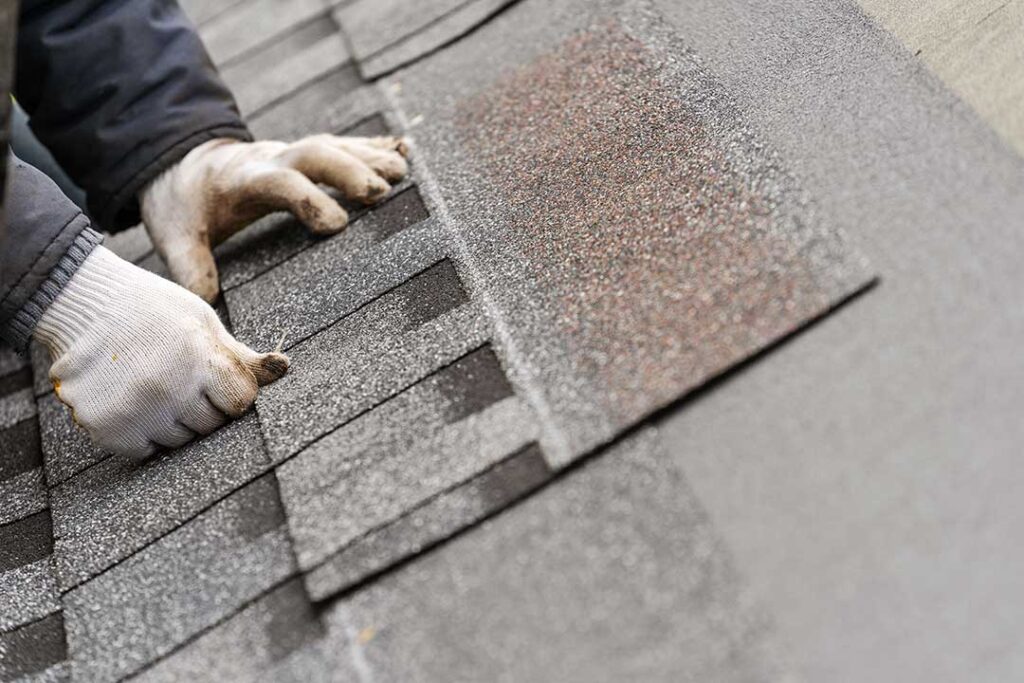
What Causes Shingle Curling and Cracking on Local Roofs?
Shingle curling and cracking typically result from a combination of weather, age, and material quality. In Marion, NY, dramatic temperature swings and seasonal freeze-thaw cycles put extra stress on roofing materials, especially asphalt shingles, which are common throughout the community. Over time, constant exposure to sunlight, snow, and high winds leads shingles to dry out, lose flexibility, and eventually curl upward or split apart.
Local factors that contribute to curling and cracking include:
- Winter ice dams forcing moisture beneath shingles
- Summer heat softening asphalt and causing uneven expansion
- Persistent humidity or poor attic ventilation trapping moisture
- Older shingles losing protective granules
These issues are more common on roofs nearing the end of their useful life but can show up earlier if installation or attic airflow isn’t ideal. Homes with minimal tree cover may also see accelerated aging because of direct afternoon sun exposure.
How Can Residents Identify Curling and Cracking Shingles?
Curling and cracking usually present obvious signs, but some indicators are easy to overlook. The most noticeable signs include:
- Shingle edges or corners lifting away from the roof surface (curling)
- Visible splits, “alligatoring,” or breaks on the surface (cracking)
- Dislodged or missing shingles following wind storms
To catch trouble early, inspect the roof visually from the ground after strong wind, storms, or heavy snowmelt. Binoculars can help spot subtle issues. In many Marion homes, peeling paint or stains under the eaves can signal water intrusion from failed shingles above.
Residents with accessible attics should also check for:
- Sunlight coming through the roof deck
- Damp insulation or water stains, especially after rain
Unexplained increases in heating bills or persistent attic dampness can be indirect clues that damaged shingles are allowing air and moisture leaks.
Do Curling and Cracking Always Mean the Roof Needs Replacement?
Shingle curling and cracking don’t always require full roof replacement, especially if they are isolated or limited in extent. Factors to consider include:
- Age of the roof: Roofs over twenty years old, or those with widespread damage, are more likely to need replacement.
- Extent of damage: A handful of curled or cracked shingles can often be replaced individually.
- Underlying causes: Correctable issues like poor attic ventilation may make repair a better immediate choice while extending the overall roof lifespan.
Many Marion homeowners find that smaller sections affected by hail, wind, or sun can be patched until the next major roofing project. However, ignoring damaged areas can lead to leaks, mold, and costlier structural repairs if water reaches the wood beneath.
What Are Safe, Practical Steps for Homeowners?
Homeowners can take several precautionary and maintenance steps:
- Conduct regular visual inspections in the spring and fall.
- If comfortable and safe, clear debris from gutters to reduce water pooling near shingle edges.
- Address minor moss or algae growth with a gentle scrub—avoid pressure washing, which can further loosen shingles.
- Use appropriate roofing cement to reseal minor curls if only a few shingles are involved and access is safe.
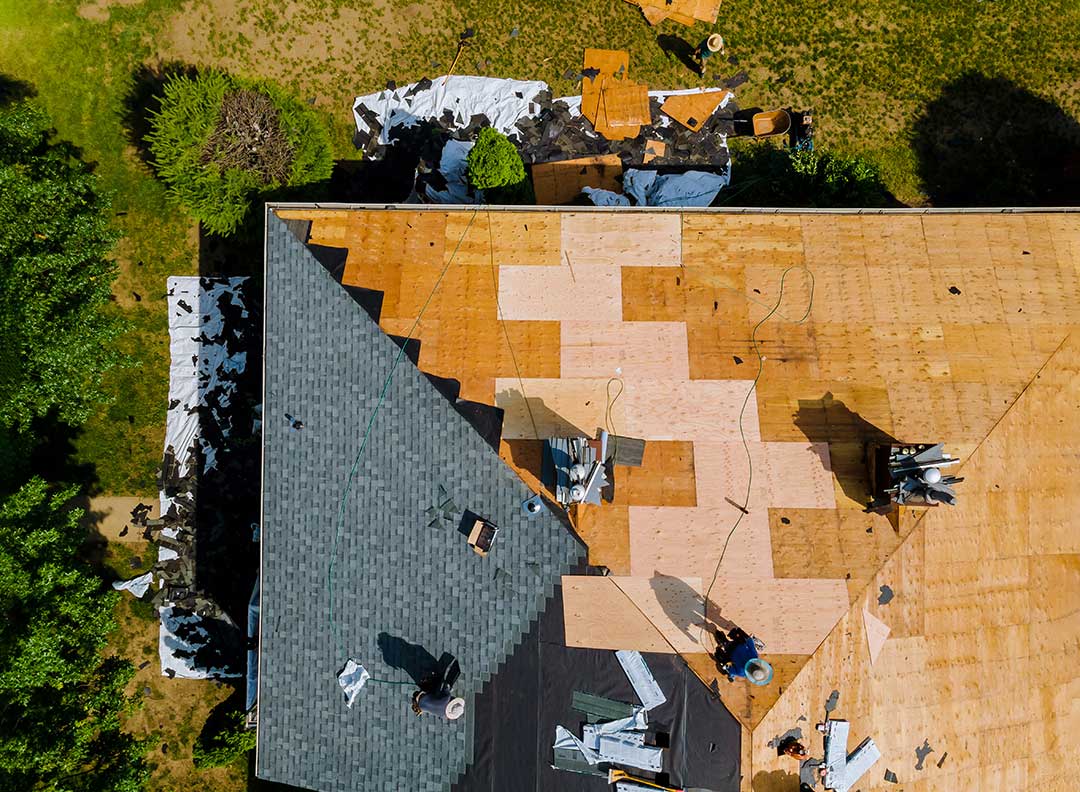
For cracked shingles, temporary patching with roofing sealant tape can slow water entry. If shingles are brittle or the roof is steep, it’s safer to monitor from a distance and avoid climbing onto the roof.
Be aware that power tools, excessive cleaning, or sealants not intended for asphalt roofs can worsen the problem. Repairs should only be attempted when surfaces are dry and conditions are stable.
What Risks Do Shingle Problems Pose for Marion Homes?
Shingle curling and cracking expose roofs to several potential risks, especially in the climate of Marion:
- Water intrusion leading to ceiling stains, attic mold, or rotted wood framing
- Increased risk of ice damming in winter, which can cause further shingle lift and leaks
- Decreased energy efficiency if thermal insulation gets wet or airflow is compromised
- Shortened overall roof lifespan if left unaddressed
Neglected damage can quickly escalate during severe storms or spring thaws. Drainage problems may also lead to gutter overflows and localized erosion near foundations. For historic homes or those with vintage rooflines, shingle deterioration can threaten architectural details or interior finishes.
How Can Attic Ventilation and Insulation Help Prevent Issues?
Attic ventilation and insulation are often overlooked yet vital for preserving roof health in the region. Proper airflow prevents moisture buildup, which reduces the conditions that cause shingles to curl or crack prematurely. Effective attic ventilation typically involves a combination of soffit and ridge vents. Insulation helps maintain consistent temperatures across the roof deck, minimizing both winter cold spots and summer overheating.
For homes in Marion, ensuring at least recommended minimums of attic insulation and clear roof ventilation pathways can help extend shingle life and safeguard against repeated cracking and curling cycles. If heat or moisture regularly collects in the attic, improvements to airflow can be a practical early intervention before major roofing repairs are needed.
Why Does Shingle Selection Matter for Durability?
Asphalt shingles come in a range of qualities and thicknesses, which affects their resistance to curling and cracking. Architectural shingles, which are thicker and multi-layered, generally hold up better under local weather patterns than basic 3-tab varieties. Modern shingles may also include better UV protection or polymer additives.
For future replacements or repairs, area residents who select shingles rated for cold climates, high winds, and strong sun exposure can reduce the likelihood of these issues reappearing. While the up-front investment may be higher, improved materials can offer better long-term protection against Marion’s specific seasonal stresses.
