
What Are Flat and Sloped Roofs, and How Do They Differ?
Flat and sloped roofs each have distinct features, appearances, and building requirements. In Marion, NY, familiarizing yourself with these basic definitions can help clarify their advantages.
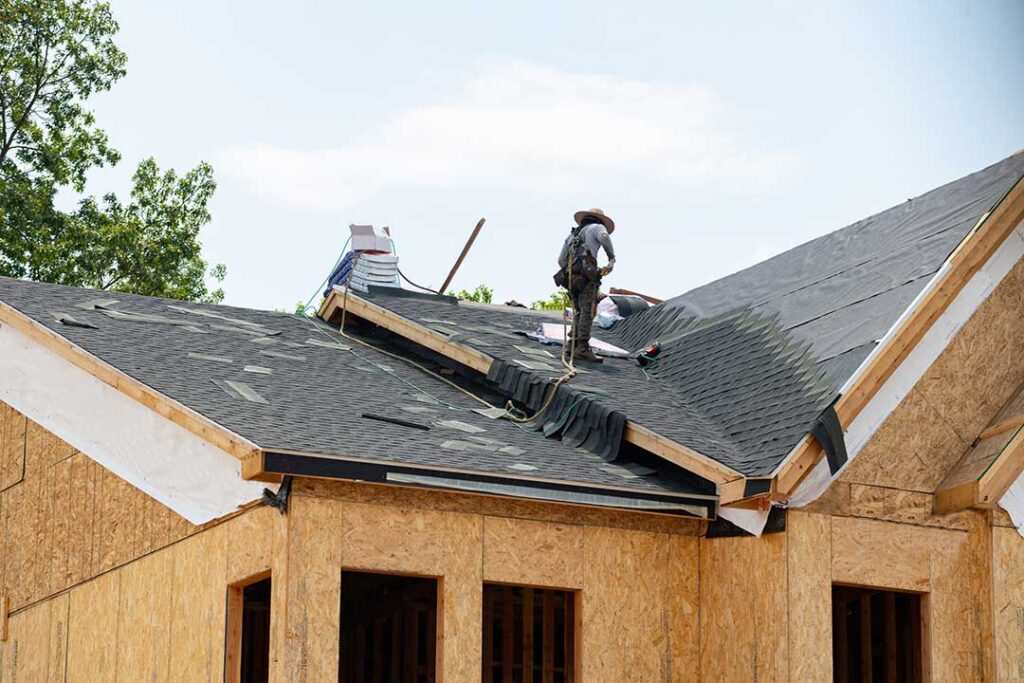
Flat roofs are nearly level, with just enough pitch for water drainage—typically less than 10 degrees. Sloped (or pitched) roofs have a noticeably steeper angle, which can range from modest slopes to dramatic peaks. Most traditional homes in this area use sloped roofs, while flat roofs appear more often on commercial buildings, modern homes, and some home additions.
How Does Marion’s Climate Affect Roof Choices?
In Marion, the climate includes snowy winters, rainy springs, and humid summers. These seasonal patterns shape which roof types are most practical for local homes.
For sloped roofs, snow and rain slide off more easily, reducing the risk of pooling water or ice buildup. This natural shedding means sloped roofs generally last longer and need fewer structural reinforcements against moisture or snow load.
Flat roofs, while feasible, require great attention to drainage. Heavy snow can linger and add stress unless regularly cleared. Modern flat roofing systems use improved waterproofing and slight slopes toward internal drains or edges, but standing water and ice dams can still occur if maintenance lapses.
What Are the Pros and Cons of Flat Roofs in the Area?
Flat roofs offer clear advantages in specific situations but also carry unique limitations for the climate and housing stock in Marion.
Potential Pros:
- Extra usable space: Some homeowners add rooftop decks, green roofs, or solar panels.
- Easier access for repairs: Maintenance tasks like cleaning gutters, installing satellite dishes, or inspecting HVAC units are simpler.
- Modern aesthetics: Flat roofs create a sleek, contemporary look that stands out from traditional pitched homes.
Potential Cons:
- Drainage challenges: Flat roofs demand well-designed drainage systems and more frequent inspections after storms or snowfalls.
- Shorter lifespan: Materials can degrade more quickly from standing water, UV exposure, and freeze-thaw cycles.
- Limited suitability for heavy snow: Large, persistent snow loads can lead to leaks or structural problems if not monitored.
How Do Sloped Roofs Perform in Local Conditions?
Sloped roofs remain the norm across the city and rural outskirts, largely due to their effectiveness in the region’s weather.
Key strengths:
- Effective runoff: The pitch lets water, ice, and snow slide away, helping prevent leaks and reducing maintenance effort.
- Longer life expectancy: Pitched roofs can last for decades when properly maintained.
- Familiar, classic appearance: Most homes in the area have gabled or hipped roofs, matching community aesthetics and traditional architecture.
Occasional considerations:
- More difficult repairs: Accessing a steep roof safely is challenging.
- Less potential for rooftop uses: Converting a pitched roof into a deck or green space is usually impractical.
- Greater material and construction costs: More complex framing and additional materials can raise initial installation costs.
Are Flat Roofs Ever a Good Fit for Marion Homes?
While sloped designs dominate older buildings and most residential construction in the city, flat roofs can work well for certain additions or modern-style homes.
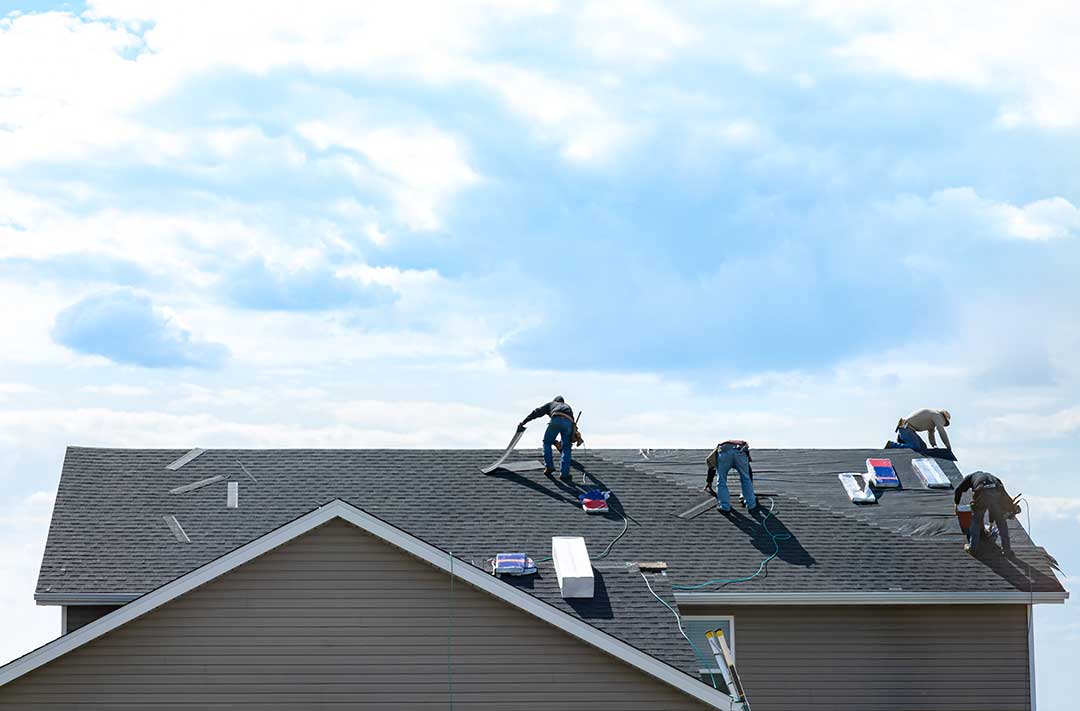
For example, homeowners expanding living space might consider a flat-roofed porch, garage, or sunroom to simplify construction and match a contemporary aesthetic. Architects designing mid-century or minimalist homes may specify flat roofs as a core feature. With proper materials and attention to drainage, some homes with flat roofs have performed successfully, but owners must remain committed to routine inspections and snow removal after significant storms.
What About Maintenance and Lifespans?
Maintenance approaches differ significantly between flat and sloped roofs, especially given the seasonal extremes experienced in the area.
- Flat roofs require more frequent inspections—especially after snow or heavy rain—since standing water or ice often causes degradation. Proactive clearing of snow, leaves, and debris around drains is essential to prevent pooling and leaks.
- Sloped roofs typically need attention after windstorms or ice storms to check for missing shingles or flashing issues. Gutters and downspouts should be kept clear to maintain proper runoff.
- Lifespans vary by material but, in general, sloped roofs in the community last longer with less intervention, while flat roof systems can require repair or replacement sooner.
What Are Common Misconceptions About Each Type?
Some area residents may believe flat roofs are not viable for the local climate or that sloped roofs are always low-maintenance. The reality is more nuanced.
- Modern flat roof systems have improved over the years, with advanced waterproof membranes and better-insulated designs. They are not just for commercial buildings but require diligence from the owner.
- Sloped roofs are not immune to leaks or structural issues. Damaged flashing, ice dams, or improper installation can create problems even with the best materials.
- Both roof types are subject to building codes, insurance requirements, and local zoning rules that may influence what’s allowed for certain types of construction.
What Practical Factors Should Residents Consider When Deciding?
Choosing between flat and sloped roofs in Marion depends on more than aesthetics:
- Style of home and neighborhood: Mixing roof types can look out of place alongside traditional architecture.
- Budget: Flat roofs can be less expensive to install but may cost more to maintain over time. Sloped roofs have higher up-front costs in many cases, but require less long-term attention.
- Plans for the space: If a rooftop deck or garden is a priority, flat roofs may open new possibilities. If hassle-free performance is key, a sloped roof is generally easier to manage in this climate.
- Willingness and ability to perform or schedule routine maintenance should weigh heavily in a final decision.
